The Ultimate Guide to Rebuilding Marble Surfaces
Marble surfaces, alongside with other healthy stones, can bring elegance and beauty to any home. Even so, some daily employ usually takes a cost on these delightful materials, leaving these people dull, scratched, or even stained. Understanding the process of rock restoration is vital for homeowners who want to maintain their investment and look after the charm of these living spaces. Within this guide, we will certainly explore the fundamentals of stone recovery, shedding light about what it requires and why it is crucial for the durability of your marble in addition to other stone surfaces.
Regardless of whether you are interacting with a cherished marble countertop, a classic granite floor, or even a rustic limestone deck, the techniques in addition to tips covered within this guide will empower you to tackle many different issues. By removing stubborn discolorations and polishing dull surfaces to knowing the significance of specialist restoration, we are going to provide you with the knowledge necessary to regain and maintain your current natural stone areas effectively. Join us even as we dive directly into the regarding rock restoration, helping you preserve your home looking beautiful for years into the future.
Understanding Stone Repair
Rock restoration is a new comprehensive process that will aims to fix, clean, and sustain the natural attractiveness of stone surfaces. Over time, several factors such while the number of visits, environmental situations, and improper maintenance can result in damage plus a dull look. stone restoration can include several techniques, like cleaning, polishing, securing, and repairing poker chips or scratches. By simply addressing these issues, homeowners can rejuvenate their stone surfaces, enhancing the overall beauty of their living spaces.
The advantages of restoring rock surfaces are many. A well-executed refurbishment not only improves the appearance of the stone but also extends the lifespan. This can cause significant price savings with time, as homeowners slow up the want for expensive substitutes or renovations. Moreover, restored stone can add value to some sort of property, making it more appealing to be able to potential buyers. Typical maintenance and recovery practices ensure that stone surfaces stay in optimal situation, highlighting their natural splendor.
Comprehending the differences between various types of stones is essential in the restoration method. Each kind of stone, like marble, granite, limestone, and travertine, has its exclusive characteristics and recovery needs. As an example, marbled may require specific polishing techniques in order to restore its sparkle, while granite restoration often focuses in repairing chips plus scratches. By realizing the specific requirements of each stone type, homeowners may make informed decisions about their refurbishment approach, whether deciding on DIY methods or hiring professional providers.
DO-IT-YOURSELF vs. Professional Recovery
With regards to restoring marble as well as other natural stone floors, homeowners often confront the decision associated with whether to consider the DIY approach or even hire professionals. DO IT YOURSELF restoration could be tempting due to potential cost savings and even the satisfaction of completing a project oneself. There are a lot of online resources and products available that guidebook individuals through the restoration process, enabling them to take on minor stains, scuff marks, and dullness prove marble surfaces. However, while it may well be feasible for compact touch-ups, DIY procedures can sometimes lead to further damage when the wrong techniques or perhaps products are employed.
Upon the other hands, professional stone refurbishment offers numerous positive aspects which could outweigh the particular initial costs. Expertise in identifying typically the specific types regarding stone and knowing the best refurbishment techniques makes sure that the work is accomplished correctly and successfully. Professionals have entry to specialized equipment and high-quality products that may not really be open to typically the average homeowner. Their own experience also enables them to improve complex issues, this sort of as deep decoration or severe yellowing, which may turn out to be beyond the capacity of most DO-IT-YOURSELF attempts.
Ultimately, the alternative between DIY and even professional restoration may depend on many factors, including the current condition of the jewel surfaces, the ideal outcome, and the homeowner's comfort level along with undertaking such projects. For those who else value quality and lasting results, investing in professional recovery might be the particular best option, while some might prefer typically the hands-on experience of trying to regain their stone on their own.
Keeping Different Stone Types
Every type of natural natural stone has unique characteristics and requirements with regard to maintenance. Marble, one example is, is elegant nevertheless sensitive to acidulent substances. Regularly cleanup marble surfaces with a pH-balanced cleaner is crucial to prevent etching. Additionally, applying some sort of suitable sealant can help protect pebble from stains in addition to scratches, making upkeep significantly easier. Polishing marble periodically may restore its as well as enhance its overall look.
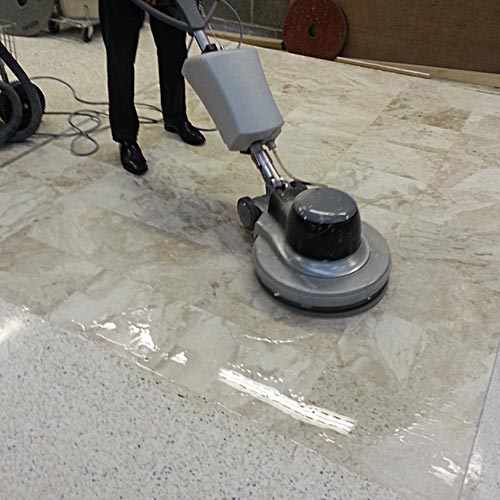
Granitic, known for its durability, requires a different approach. Although it is a lot more immune to scratches and stains, it can certainly still dull more than time. Regular cleanup with gentle cleansing agents will help sustain its luster. Sealing granite yearly is advised to prevent wetness and stains through penetrating the surface area, thus prolonging its lifespan. If french fries or scratches take place, professional restoration strategies can restore the original look.
Limestone in addition to travertine, while stunning, require ongoing interest to avoid damage. These stones are really softer and more porous, making them prone to scratches and discoloration. Using specially created cleaners for limestone and travertine is advisable to prevent harsh chemicals that can cause damage. Typical sealing is crucial to protect these rocks from moisture and dirt, while also handling any hard drinking water stains that may possibly develop over time. Maintaining these gemstones not only maintains their aesthetic attractiveness but also increases their durability.